Engineered Hardwood Versus Luxury Vinyl
A flooring sample can look perfect under showroom lighting, then behave very differently in a busy home with wet boots, pets, children, and changing temperatures. When weighing engineered hardwood versus luxury vinyl, the right choice is less about declaring one material better and more about matching the floor to the room, the household, and the renovation plan.
For homeowners planning a main-floor remodel, basement finish, kitchen update, or condo renovation, flooring affects the comfort, durability, and visual continuity of the entire space. It also needs to work with the existing subfloor, room transitions, cabinetry, stairs, and any planned layout changes. A well-managed flooring decision protects both the look of the renovation and the investment behind it.
Engineered Hardwood Versus Luxury Vinyl: The Core Difference
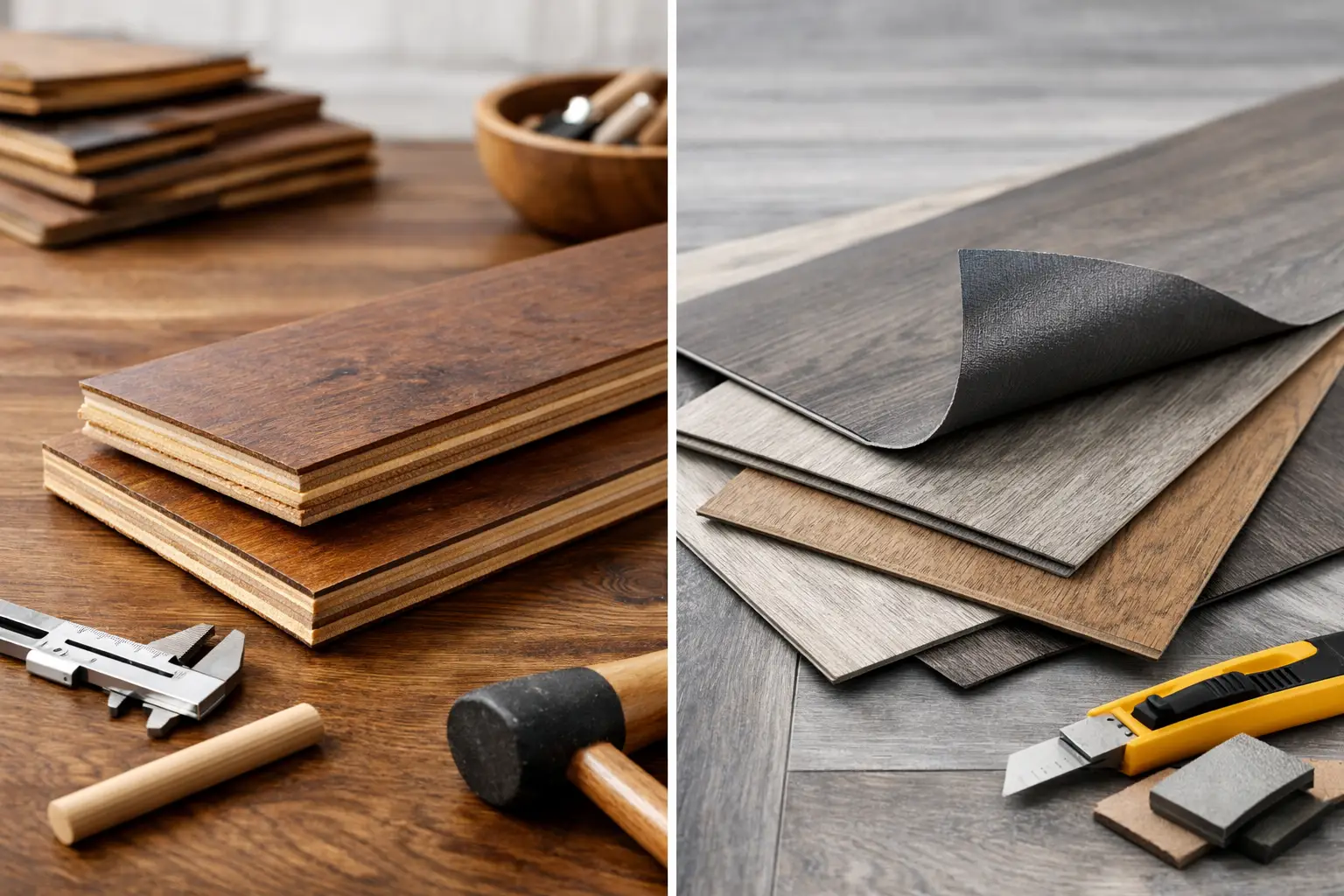
Engineered hardwood is real wood flooring. Its surface layer, called a wear layer or veneer, is hardwood such as oak, maple, hickory, or walnut. That top layer is bonded to a layered core designed to provide greater dimensional stability than traditional solid hardwood.
Luxury vinyl plank, often called LVP, is a manufactured floor covering. It typically has a protective wear layer, a printed design layer, a rigid or flexible core, and an attached backing on many products. High-quality luxury vinyl can convincingly reproduce the grain, color variation, and plank size of wood, but it does not contain a real wood surface.
That distinction shapes nearly every trade-off. Engineered hardwood brings the natural variation, warmth, and long-term appeal of genuine wood. Luxury vinyl provides practical water resistance, everyday durability, and flexibility in rooms where moisture or heavy use is part of life.
Choose Based on the Room, Not Just the Sample
The best flooring choice can change from one level of the home to another. A full renovation does not have to use one material everywhere, although a consistent visual flow is often desirable.
Main Floors and Living Areas
Engineered hardwood is often an excellent fit for living rooms, dining rooms, hallways, and bedrooms. Real wood gives a home a finished, substantial character that many homeowners value, particularly in older homes and higher-end renovations. Wide-plank engineered oak can make an open main floor feel calmer and more connected, while a warmer stain can balance modern cabinetry or tile.
Luxury vinyl also performs well on a main floor, especially for households with dogs, young children, or frequent outdoor traffic. It offers a practical surface for mudrooms and busy entry areas that connect directly to living spaces. The visual result can still be attractive, but buyers and guests may notice the difference in texture and feel when compared with real wood.
Kitchens and Bathrooms
Kitchens are where the decision becomes more nuanced. Engineered hardwood can work in a kitchen when it is installed correctly and maintained carefully. Promptly wiping up spills, using protective pads, and avoiding prolonged standing water are essential. For homeowners who want genuine wood throughout an open-concept main floor, engineered hardwood can create a beautiful continuous finish.
Luxury vinyl is the lower-stress option for many kitchens. It handles routine splashes and dropped items well, and it is more forgiving when a dishwasher leaks or a child leaves water near the sink. No floating floor is completely immune to a major plumbing event, however. Water can still reach the subfloor through gaps at the perimeter, transitions, or improperly sealed areas.
For full bathrooms, luxury vinyl is usually the more practical choice. Bathrooms have regular humidity, wet feet, and a higher likelihood of water escaping the shower or tub. Engineered hardwood can be used in select powder rooms, but it is rarely the first recommendation for a frequently used full bathroom.
Basements and Below-Grade Spaces
Luxury vinyl is generally the stronger candidate for finished basements. Below-grade rooms can experience higher humidity, cooler slab temperatures, and a greater risk of moisture migration through concrete. The right luxury vinyl product, installed over a properly prepared and moisture-tested subfloor, can deliver a comfortable, durable finished surface.
Engineered hardwood may be possible in some basement conditions, but it requires a careful assessment of moisture, slab preparation, installation method, and manufacturer requirements. This is not a decision to make based on appearance alone. A basement floor that looks beautiful on installation day can fail prematurely if moisture conditions are not addressed first.
Durability Means Different Things for Each Floor
Luxury vinyl is often marketed as scratch-proof and waterproof, but the fine print matters. A quality wear layer can resist everyday scuffs, pet nails, and stains better than many wood finishes. Yet sharp objects, heavy furniture, and grit dragged across the floor can still dent, gouge, or damage it. If an individual plank is badly damaged, replacement may be possible, provided matching material is available.
Engineered hardwood is more susceptible to scratches and dents because wood is a natural material. That is not necessarily a flaw. Many homeowners appreciate the subtle patina that develops over time. In a formal living area or a home where natural materials are central to the design, that character can be part of the appeal.
The repair conversation is different with wood. Depending on the thickness of the wear layer and the product construction, some engineered hardwood floors can be refinished. Others can only tolerate limited sanding, or none at all. A professional assessment is necessary before promising that an engineered floor can be renewed. This is one reason product selection matters as much as material category.
Comfort, Sound, and Everyday Feel
Engineered hardwood feels like wood because it is wood. It has natural texture, visual depth, and a solid underfoot experience that is difficult for any printed product to fully duplicate. It can also add a sense of continuity when paired with a refinished staircase, custom millwork, or wood-accented kitchen design.
Luxury vinyl is softer and warmer underfoot than ceramic tile, especially with an attached pad. It can be comfortable for long periods of standing in a kitchen or laundry room. However, its sound and feel depend heavily on the subfloor condition and installation quality. An uneven subfloor can create movement, hollow sounds, or premature joint problems in a floating vinyl floor.
For condo owners, acoustic requirements deserve early attention. Building management may require a specific underlayment and impact-insulation rating, regardless of whether the selected flooring is engineered hardwood or luxury vinyl. Confirm those requirements before ordering material, not after a project schedule has been set.
Budget and Long-Term Value
Luxury vinyl often has a lower material and installation cost than premium engineered hardwood, although pricing ranges overlap. Subfloor repairs, leveling, demolition, moisture mitigation, trim work, and transitions can significantly affect the final project cost for either material. The lowest-priced plank is rarely the lowest-cost choice if it performs poorly or needs early replacement.
Engineered hardwood usually represents a larger upfront investment, particularly for wider planks, thicker wear layers, premium species, and detailed installation patterns. Its real-wood surface can support a more elevated design and may appeal strongly to future buyers. That said, resale value is influenced by the condition of the floor, the quality of the renovation, and the expectations of the local market. A scratched or poorly installed hardwood floor does not add value simply because it is wood.
Luxury vinyl can be the smarter financial decision where moisture risk and heavy traffic are high. A well-chosen, professionally installed vinyl floor can look polished for years while reducing maintenance concerns. The key is choosing a product with a realistic warranty, a suitable wear layer, stable locking joints, and a design that will not feel dated quickly.
Installation Quality Is the Deciding Factor
Even the right material can disappoint if the installation is rushed. Flooring preparation begins with the subfloor. It must be clean, dry, level within the flooring manufacturer’s tolerances, and structurally sound. Existing squeaks, uneven areas, damaged plywood, concrete moisture, and floor-height transitions should be addressed before planks go down.
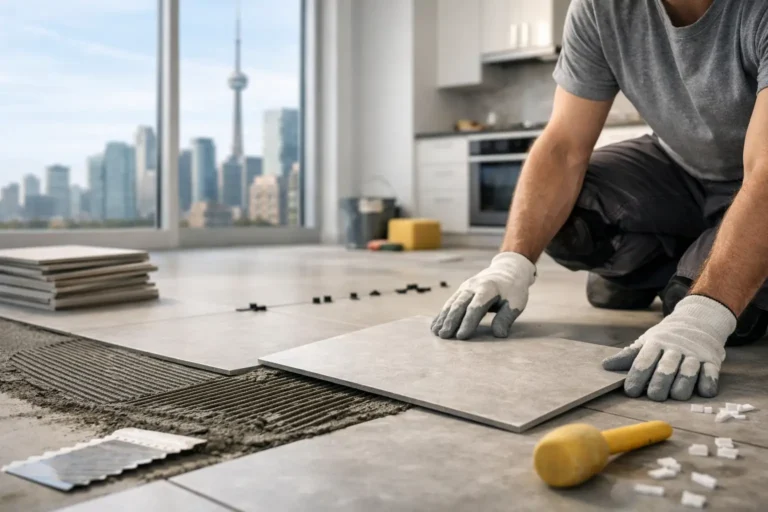
Engineered hardwood may be glued, nailed, floated, or installed with a combination of methods depending on the product and substrate. Luxury vinyl may click together as a floating floor or be fully adhered. Each method has different requirements, and neither should be selected simply because it appears faster.
At Finishing Touches Design & Renovations, flooring decisions are considered alongside the rest of the renovation scope. That means planning for kitchen cabinet heights, tile transitions, baseboards, stair nosing, door clearances, and plumbing or wall changes before finishing work begins. One accountable team helps prevent the small coordination gaps that can turn into visible problems later.
How to Make the Final Choice
Choose engineered hardwood when real wood, natural character, and a more elevated long-term finish are central to the design. It is particularly well suited to dry main-floor living spaces, bedrooms, and renovations where flooring connects visually with stairs and custom details.
Choose luxury vinyl when moisture resistance, easy care, and resilience are the priority. It is often the practical choice for basements, bathrooms, mudrooms, rental properties, and active family spaces where the floor needs to handle daily life without constant concern.
Before committing, view large samples in the actual room at different times of day, not just in a showroom. Then assess the subfloor, moisture conditions, planned transitions, and how the space will really be used. The floor that supports your household with fewer compromises is the one that will still feel like the right decision long after the renovation is complete.