How to Select Renovation Finishes That Last
A tile can look perfect under showroom lighting and feel completely wrong once it meets your kitchen cabinets, natural light, and everyday foot traffic. That is why homeowners should select renovation finishes as a coordinated system, not as a series of isolated purchases. The right decisions protect your budget, simplify construction, and create rooms that remain practical and attractive long after the renovation is complete.
For a Toronto or GTA home, finish selection also has to account for real conditions: wet boots in the entry, salt and slush through winter, busy family schedules, condo rules, older walls that are not perfectly square, and the character of the home itself. A beautiful result is never just about choosing premium materials. It comes from choosing materials that work together, fit the scope, and can be installed correctly.
Start With How the Room Will Be Used
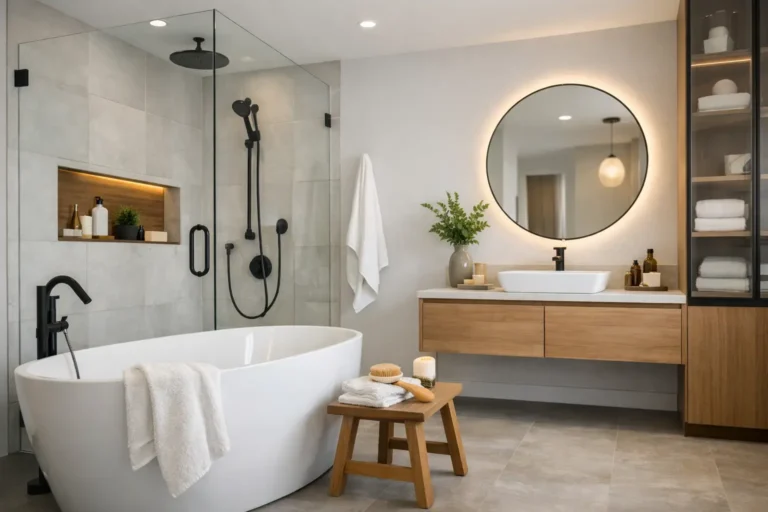
Before comparing cabinet colors or tile samples, define what each room needs to do. A basement used by teenagers, guests, or tenants needs more durable flooring and easy-to-maintain surfaces than a low-traffic sitting room. A primary bathroom may justify a more refined stone-look porcelain and upgraded plumbing fixtures, while a powder room can carry a bolder wallpaper or vanity finish because it receives less wear.
Think through the practical details early. Will children and pets be using the space? Does the room receive strong afternoon sun? Is there radiant heating below the floor? Will a legal basement suite need finishes that perform well in a high-use rental setting? These answers narrow the field quickly and prevent a costly choice from becoming a daily frustration.
Durability does not mean every room needs the hardest, most expensive material. It means assigning the right level of performance to the room. Engineered hardwood may be an excellent choice for a main floor, while porcelain tile or quality luxury vinyl may be better suited to a mudroom, basement, or bathroom.
Build a Finish Plan Before You Shop
A renovation can lose its visual direction when selections are made one weekend at a time. Instead, establish a finish plan that identifies the major fixed elements first: flooring, cabinetry, countertops, wall tile, paint, plumbing fixtures, lighting, and interior doors or trim. These are the materials that set the room’s long-term character and are harder or more expensive to replace later.
Start with one or two anchor finishes. In a kitchen, that may be cabinet color and countertop. In a bathroom, it may be floor tile and vanity. For a full main-floor renovation, continuous flooring often becomes the strongest visual anchor. Once those decisions are in place, supporting choices become easier to assess.
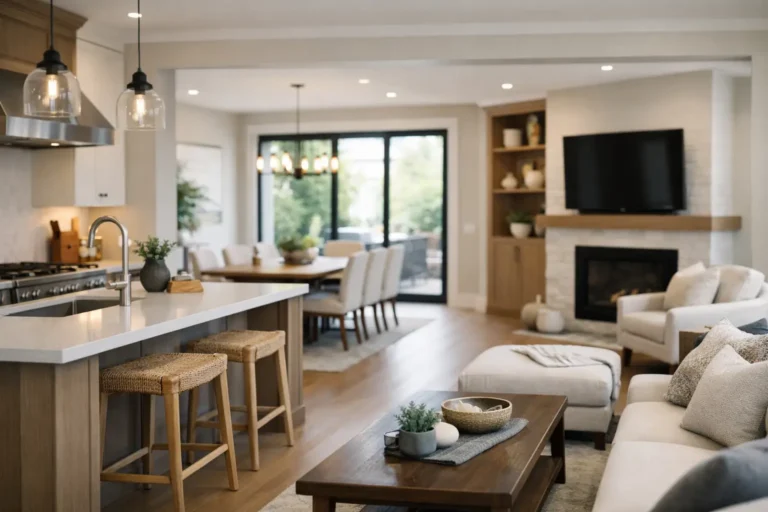
A cohesive home does not require every room to match. It requires a clear relationship between spaces. Repeating a warm metal tone, wood undertone, paint family, or door hardware style can create continuity while still allowing each room to have its own identity. This is especially valuable in open-concept layouts, where the kitchen, dining area, and living space are viewed together.
Select Renovation Finishes in the Right Order
The order of selection matters because some products offer far fewer options than others. Countertops, flooring, and tile should generally be chosen before paint, since paint can be color-matched or adjusted much more easily. Cabinet door styles and finishes should be resolved before hardware. Plumbing fixture placement should be coordinated before wall tile is finalized, particularly when niches, shower controls, or custom vanities are involved.
This approach also helps control change orders. If a homeowner chooses a large-format wall tile after plumbing has been roughed in, the desired layout may conflict with fixture locations. If flooring is selected after a staircase has been refinished, the stain undertones may compete. Decisions made in sequence give the design and construction team room to coordinate details before work is underway.
For larger projects, consider finishes in three layers. First, choose the permanent materials: floors, cabinets, countertops, tile, and plumbing fixtures. Next, choose architectural details such as trim profiles, interior doors, railings, and lighting. Last, choose flexible finishes including paint, mirrors, window treatments, and furnishings. This keeps the most consequential decisions at the front of the process.
Look Beyond the Sample Board
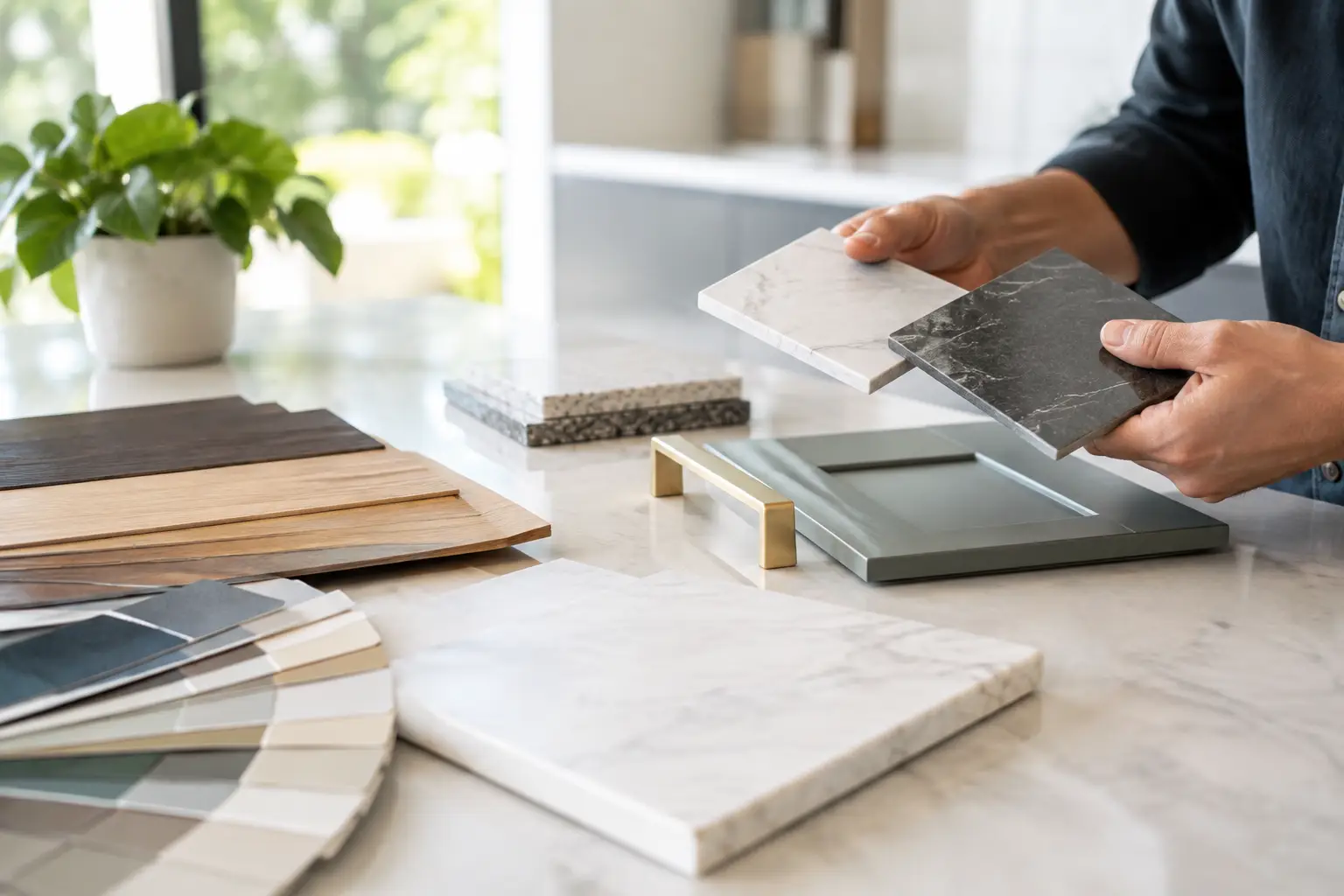
Small samples are useful, but they do not tell the full story. Tile may have more variation across an entire box than a single display piece suggests. Natural stone has veining and movement that should be approved as a full slab, not from a thumbnail image. Wood flooring can shift noticeably depending on plank width, finish sheen, and the direction of natural light.
Bring samples into the actual room whenever possible. View them morning, afternoon, and evening with the planned lighting turned on. Place countertop and cabinet samples together. Hold paint swatches beside the flooring, not in the middle of an empty wall. In older Toronto homes, where room proportions and light conditions can be very different from a showroom, this simple step can prevent surprises.
Pay close attention to undertones. White is rarely just white. It can read warm, cool, creamy, gray, or slightly green depending on surrounding materials. The same is true of wood tones, quartz, and gray tile. A finish plan succeeds when undertones relate well, even if the materials are not identical.
Balance Visual Impact With Maintenance
Every finish carries a maintenance commitment. Matte black fixtures can make a striking statement, but water spots may show more readily in some households. Polished surfaces reflect light and can feel more formal, while honed or matte surfaces often conceal fingerprints and daily wear better. White grout can create a crisp look, but a slightly deeper tone is usually more forgiving in a family bathroom or entry.
For kitchens, choose countertops based on both appearance and routine. Quartz is popular for its consistent appearance and low-maintenance performance, though it should not be treated as heat-proof. Natural stone offers depth and uniqueness but may require sealing and more attentive care. A carefully selected porcelain slab can offer a stone-inspired look with strong durability, although installation requirements may affect cost.
In shower areas, prioritize materials and detailing that manage water effectively. Large tiles can reduce grout lines, but they may require precise layout planning and are not always suitable for every shower floor. Smaller mosaic tile provides better traction and follows shower slopes well. The best choice depends on the layout, drainage, accessibility needs, and desired look.
Set a Budget for the Details People Forget
Finish budgets are often built around visible materials, then strained by the components that make those materials function properly. Tile installation may require waterproofing, leveling, specialty trims, grout, and substrate preparation. Flooring pricing may not include removal, floor repair, transitions, stairs, or baseboard work. Cabinet hardware, under-cabinet lighting, mirrors, and accessory pieces can also add up quickly.
A transparent renovation quote should separate material allowances from labor and identify where selections could affect the final price. This does not remove every unknown in an older home, but it gives you a realistic decision framework. If you want to invest in a statement countertop or custom vanity, consider where a simpler selection can deliver value without compromising the overall design.
It is also wise to reserve room for contingency. Once walls or floors are opened, aging plumbing, uneven framing, or previous unpermitted work may need correction. Protecting a portion of the budget for necessary construction work is more valuable than spending every dollar on a decorative upgrade before the project begins.
Confirm Availability Before Falling in Love
A finish is only a good selection if it can arrive when the project needs it. Some tile, fixtures, custom doors, and specialty hardware have long lead times or limited stock. Discontinued lines and batch variation can create problems if extra material is needed later.
Confirm product quantities, lead times, and return policies before final approval. Order enough tile and flooring to account for cuts, waste, and future repairs, based on the installer’s recommendation. For natural materials, make sure the full quantity is available from a compatible batch. These details may feel administrative, but they are often what keep a renovation moving on schedule.
At Finishing Touches Design & Renovations, finish selections are coordinated with the project scope, installation requirements, and construction schedule so clients can make confident choices with one accountable team managing the process.
Let Installation Requirements Guide the Final Choice
The finest material cannot compensate for poor preparation or an unsuitable application. Tile needs a stable substrate, correct waterproofing in wet areas, proper layout, and carefully planned transitions. Hardwood and engineered wood require acclimation and appropriate subfloor conditions. New paint looks its best only after drywall repairs, sanding, priming, and caulking are completed properly.
This is also where code and building requirements matter. Bathroom ventilation, electrical clearances, fire separation, and approved materials for certain applications should be addressed before the finishing stage, not discovered during a final inspection. A design-build renovation team can coordinate these requirements alongside the visual plan, protecting both the result and the project timeline.
When choosing between two finishes, ask a practical question: which one will still look and function well after five years of normal use? The answer is often the selection that suits your household, respects the construction realities of the space, and leaves enough budget for skilled installation. That is the finish choice that turns a renovation into a home you can enjoy without second-guessing every detail.