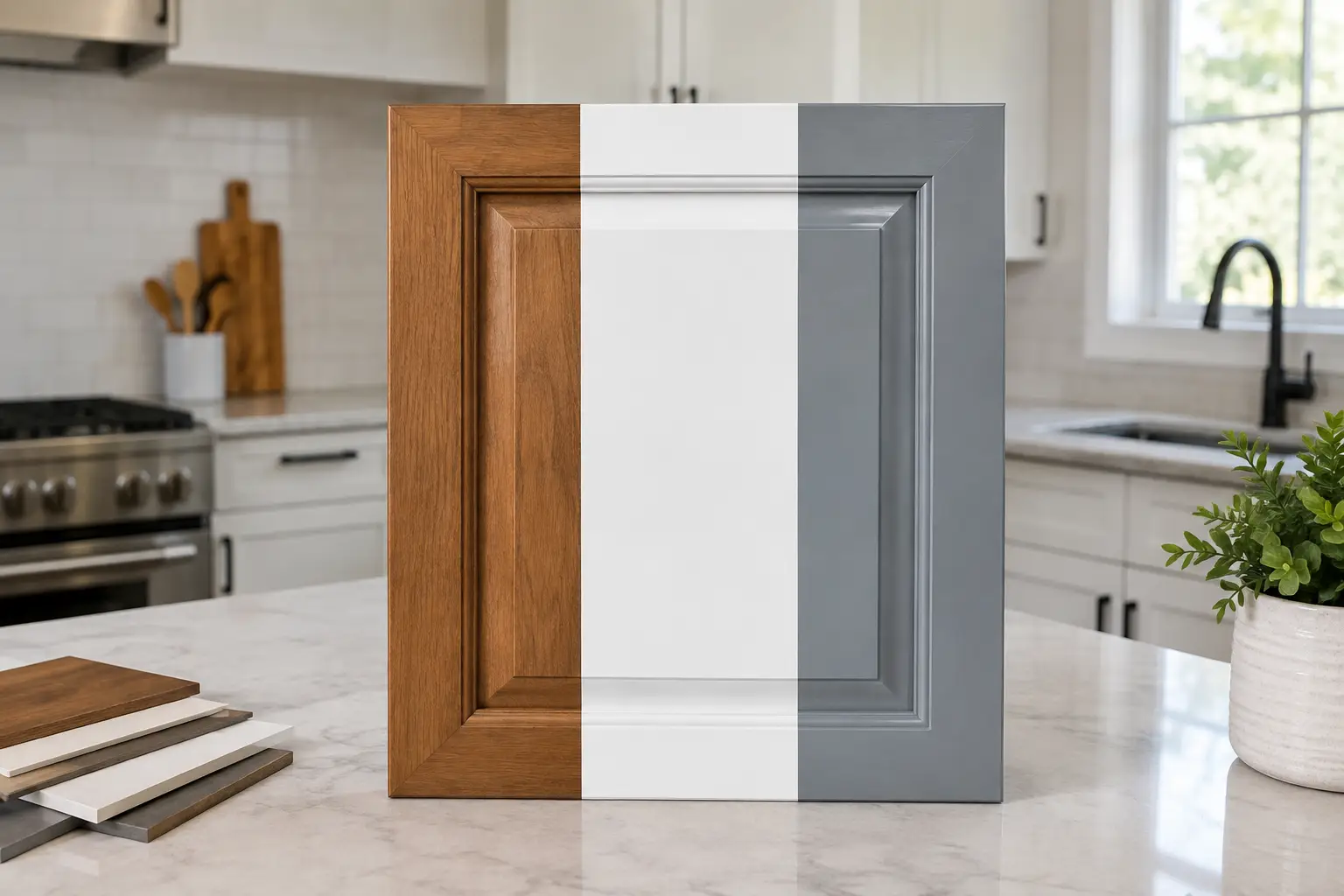
Cabinet Refacing Comparison for Your Kitchen
A kitchen can feel dated long before it stops working. Worn doors, mismatched finishes, and limited storage often prompt the same question: should you reface the cabinets or replace them altogether? This cabinet refacing comparison gives GTA homeowners a practical way to make that decision based on the condition of the existing kitchen, the changes they want, and the value they expect from the renovation.
The right choice is rarely about cabinet doors alone. It is about whether the cabinet boxes are worth keeping, whether the current layout supports daily life, and whether hidden issues behind the walls could affect the scope. A clear assessment before ordering materials can prevent a cosmetic upgrade from becoming a costly compromise.
What cabinet refacing actually changes
Cabinet refacing keeps the existing cabinet boxes in place. A contractor installs new doors, drawer fronts, and visible veneer or finished panels on the exposed cabinet frames. New hardware, molding, countertops, backsplash tile, lighting, and paint can be added to complete the transformation.
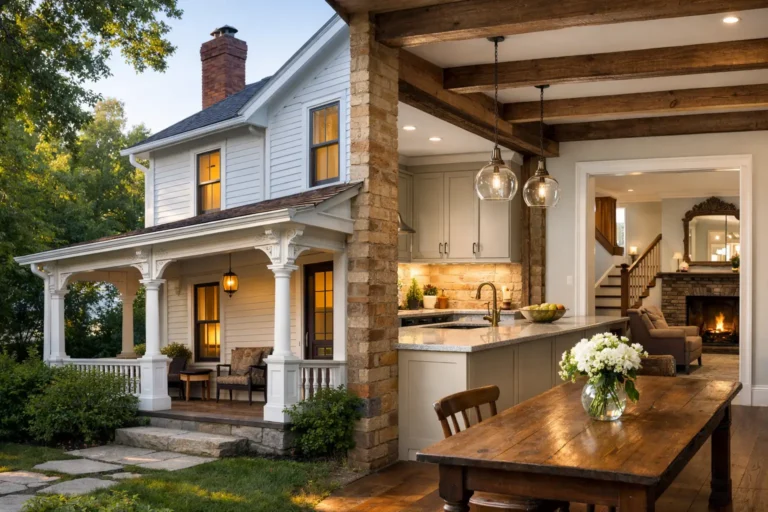
When the boxes are solid, level, and well-built, refacing can substantially change the look of a kitchen without removing every cabinet. It is especially appealing when homeowners like their current appliance locations and workflow but want a more current style, such as flat-panel doors, warm wood tones, or a clean painted finish.
Replacement means removing the existing cabinets and installing new units. This creates the freedom to alter cabinet sizes, add storage features, improve clearances, relocate appliances, or redesign the entire layout. It also opens the walls and floor areas around the kitchen, which can reveal plumbing, electrical, or surface issues that should be addressed before new finishes are installed.
Cabinet refacing comparison: the decision factors that matter
A cabinet refacing comparison should start with function, not color. New cabinet fronts can make a kitchen look dramatically different, but they cannot correct a poor layout or weak cabinet construction.
Cabinet box condition
Refacing is a strong option when the cabinet boxes are structurally sound, securely fastened, and free from serious water damage. The frames should be square, the shelves should not sag, and the bases around the sink and dishwasher should show no swelling or deterioration. Older solid-wood or quality plywood boxes can often be excellent candidates.
Replacement is usually the more dependable path when boxes are particleboard, damaged by moisture, poorly installed, or already showing repeated drawer and door alignment problems. Covering compromised boxes with new finishes may improve the appearance temporarily, but it does not restore their strength or expected service life.
Layout and storage needs
Refacing works best when the kitchen layout already functions well. If the refrigerator, sink, range, and prep areas are in useful locations, there may be little reason to incur the disruption of a full tear-out. You can still add practical upgrades such as pullout organizers, soft-close hardware, a new pantry interior, or better task lighting where the existing cabinet configuration allows.
Replacement is the better investment when the kitchen causes daily frustration. Common examples include inadequate drawer storage, a narrow cooking zone, unusable corner cabinets, an island that blocks traffic, or a lack of room for a growing family. If you want to move the sink, add an island, relocate a range, or open the kitchen to the main floor, new cabinetry is generally part of a broader renovation plan.
Design flexibility
Refacing offers meaningful design flexibility, but within the footprint of the original cabinets. Door style, color, handles, decorative panels, crown molding, and countertops can completely change the room’s visual character. A coordinated backsplash and flooring update can make the finished kitchen feel like a full renovation.
Replacement provides more freedom in proportions and details. You can choose deeper drawers, taller upper cabinets, integrated waste and recycling storage, appliance panels, custom pantry systems, and cabinets designed around unusual walls or ceiling heights. In a century home or condo with challenging dimensions, that flexibility can be the difference between an attractive kitchen and a truly functional one.
Cost, timeline, and renovation disruption
Refacing generally costs less than replacing cabinetry because it preserves the boxes and reduces demolition and installation labor. It can also shorten the period your kitchen is out of service. However, the savings narrow when a project includes premium doors, major countertop work, new flooring, extensive tile, lighting changes, or repairs to aging walls and surfaces.
Replacement carries a higher initial cost because it involves demolition, new cabinetry, installation, and often associated trade work. If plumbing, electrical, venting, or wall configuration changes are needed, the budget must account for those items as well. In return, homeowners receive a kitchen built around their actual needs rather than the limits of the previous layout.
The most reliable way to compare costs is to request a detailed scope for each option. A low cabinet price does not tell the whole story if it excludes demolition, disposal, countertop removal, wall repair, electrical updates, installation, finishing work, or project management. Clear quotes identify what is included, what is optional, and what conditions could affect the final investment.
When refacing is the smart choice
Choose refacing when the cabinet boxes are in good condition, the layout works, and your goal is primarily visual renewal. It is often a sensible approach for homeowners preparing a property for sale, refreshing a dated but functional kitchen, or updating a condo where changing plumbing and walls may be impractical.
Refacing also makes sense when the surrounding elements are compatible with the plan. If flooring, countertops, and backsplash tile can remain or be updated without requiring cabinet relocation, the project can deliver a polished result with less disruption. The key is being realistic: refacing is a finish upgrade, not a layout solution.
When cabinet replacement is worth it
Replace cabinets when the existing kitchen has structural problems, limited storage, inefficient circulation, or a layout that no longer suits the household. It is also the right choice when a main-floor renovation includes removing a wall, adding a larger island, updating plumbing, or correcting older electrical conditions.
For a long-term home, replacement can be the better value when it eliminates daily compromises. Well-planned drawers, durable cabinet construction, improved pantry storage, and properly positioned appliances can improve how the kitchen works every day. That functional improvement often matters more than the short-term savings of keeping cabinets that no longer fit the space.
A full replacement should be coordinated carefully with the rest of the renovation. Cabinet measurements affect flooring transitions, backsplash placement, electrical outlet locations, hood venting, countertop fabrication, and appliance clearances. Managing these details through one accountable renovation team helps protect the schedule, budget, and finished quality.
Do not overlook code and hidden conditions
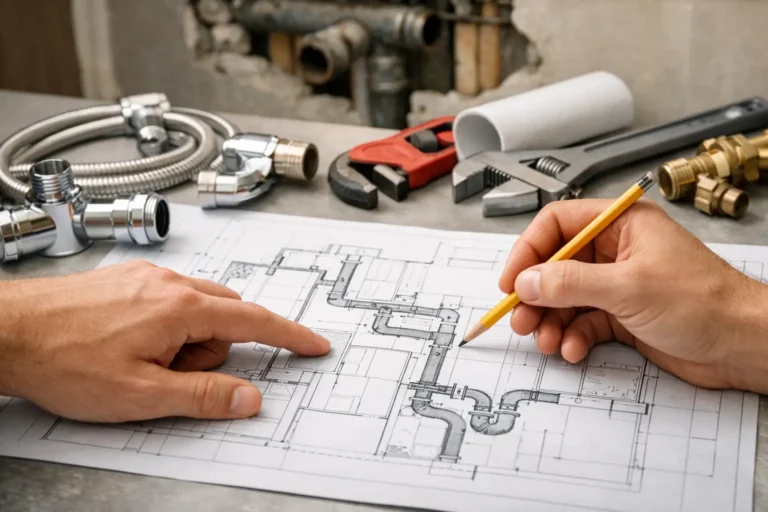
Cosmetic cabinet work may not require the same planning as a major reconfiguration, but kitchen projects can quickly cross into permit and code considerations. Moving plumbing, adding circuits, changing ventilation, or altering walls requires qualified planning and work that complies with applicable Ontario Building Code requirements and local bylaws.
Older GTA homes can also contain surprises behind cabinets: uneven walls, outdated wiring, water damage, or flooring that ends at the old cabinet footprint. Addressing these conditions correctly is not glamorous, but it protects the durability of the finished kitchen. A professional assessment should identify likely risks before finalizing the scope.
Make the choice around how you live
The best cabinet decision is the one that supports your household for years, not simply the one with the lowest starting price. If your kitchen already works and the cabinet boxes are dependable, refacing can provide a high-impact refresh. If the space limits cooking, storage, movement, or future plans, replacement creates the opportunity to solve those problems properly.
Finishing Touches Design & Renovations helps homeowners evaluate both paths within a clear, managed renovation plan. A thoughtful site review, transparent scope, and coordinated trades give you a better foundation for choosing finishes that look exceptional and a kitchen that works as hard as your household does.
Before selecting a door style or countertop sample, ask one practical question: will this project only improve how the kitchen looks, or will it improve how your home lives? The answer will usually point you toward refacing or replacement with confidence.