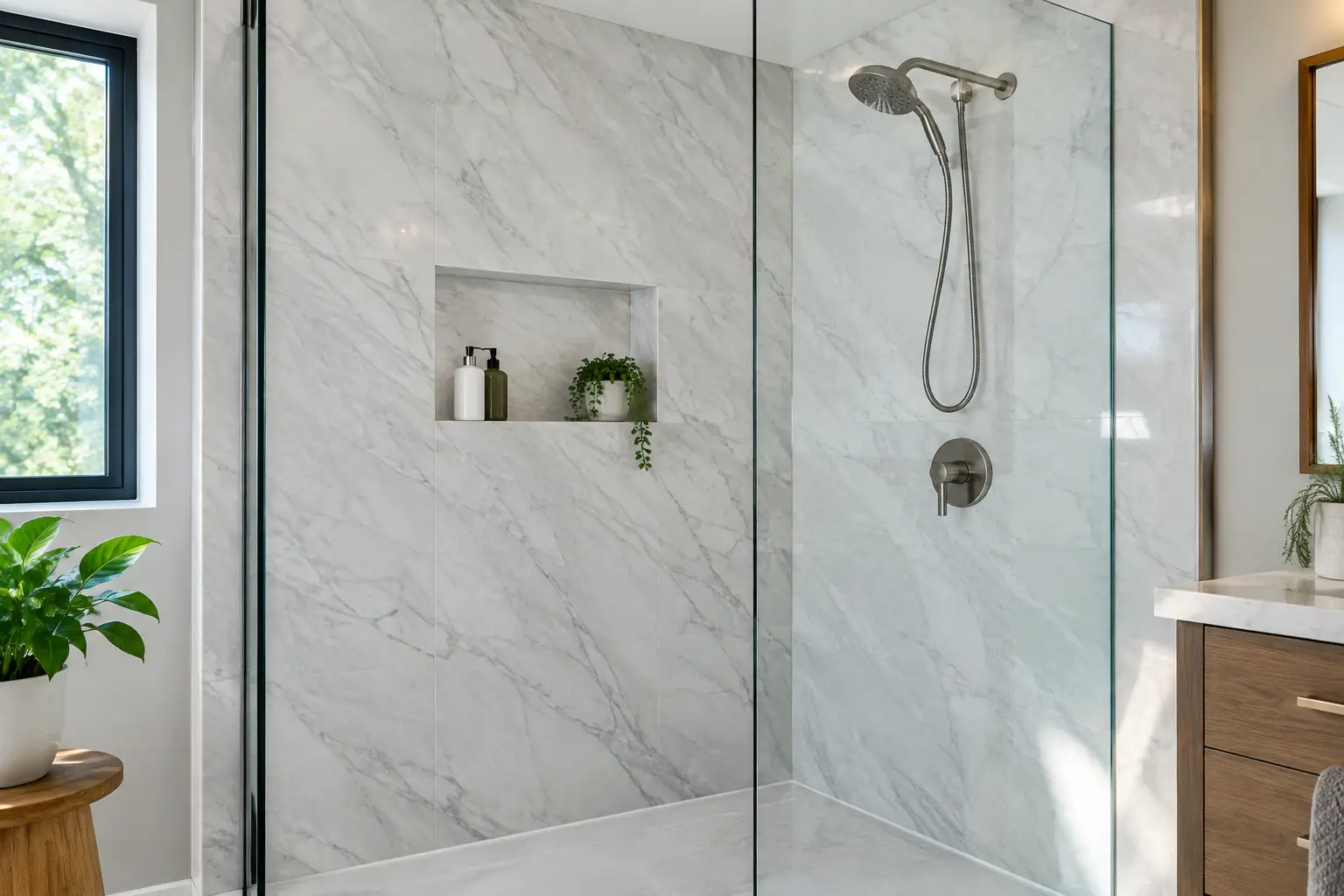
Waterproof Shower Walls That Stand Up to Use
A shower can look beautifully finished on day one and still hide a costly problem behind the walls. Water that reaches unprotected drywall, framing, or floor transitions can lead to swelling, mold, loose tile, and repairs that extend far beyond the shower itself. Properly built waterproof shower walls protect the parts of the bathroom you cannot see, while giving your family a finish that is easy to clean and built for everyday use.
For homeowners planning a bathroom renovation, the wall finish is only one decision. The real performance of a shower depends on the complete assembly: the substrate, waterproofing membrane, corners, seams, plumbing penetrations, shower pan, and the way each component connects. Choosing the right system early helps protect your budget, schedule, and long-term peace of mind.
What Makes Waterproof Shower Walls Work
Tile and grout are not waterproof on their own. Grout is porous, and even sealed grout needs regular care. Tile can resist water well, but water can still move through small gaps, grout joints, or failed caulk lines. That does not mean tile is a poor shower choice. It means the water management layer behind it has to do its job.
A properly waterproofed shower is designed to direct moisture back into the shower area rather than allowing it to reach the structure. This is especially important in older Toronto and GTA homes, where previous renovations may have left inconsistent framing, aging plumbing, or wall materials that are not suitable for wet areas.
The Finish Is Not the Waterproofing System
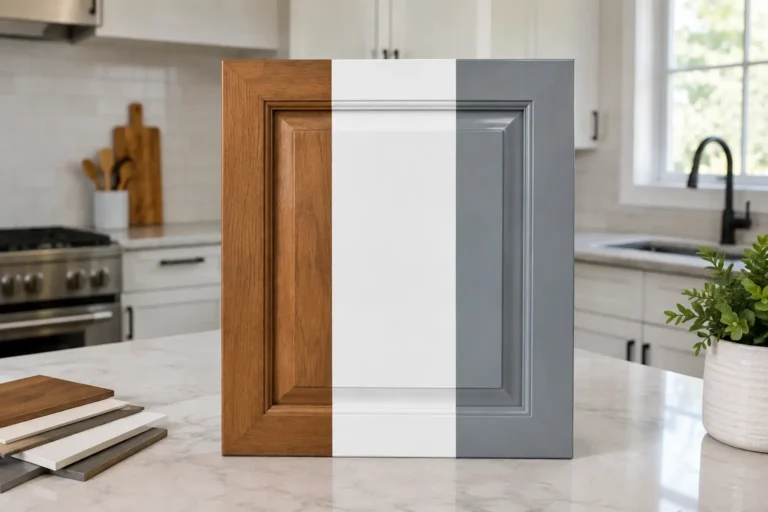
A durable shower uses a finish material and a waterproofing system that work together. The finish may be porcelain tile, ceramic tile, stone, acrylic, or a large-format wall panel. Behind it, an approved backer board or foam board, paired with a properly installed membrane, creates the actual barrier against moisture.
This distinction matters when comparing quotes. A lower price may reflect fewer preparation steps, but skipping the correct membrane, sealing methods, or substrate can create risk that does not become visible until years later. Clear scope details should explain what is being installed behind the finished wall, not only what the finished wall will look like.
Choosing Materials for Waterproof Shower Walls
The best wall material depends on your design goals, maintenance expectations, budget, and the condition of the space. There is no single right answer for every bathroom.
Porcelain and ceramic tile remain popular because they offer significant flexibility in color, size, pattern, and texture. Large-format porcelain tile can create a clean, modern appearance with fewer grout lines, while smaller tile can add detail and grip where needed. Tile requires skilled layout and installation, particularly around niches, corners, benches, and uneven walls. It also depends on a complete waterproofing system behind it.
Solid-surface and composite wall panels create a more streamlined finish with minimal seams. They can be an excellent option for homeowners who want easier cleaning and a fast, refined visual result. Because there are fewer grout joints, routine maintenance is often simpler. The trade-off is that panel sizes, edge details, and design choices may be more limited than tile, and precise installation is still essential around joints and fixtures.
Acrylic and fiberglass surround systems can be practical for certain bathrooms, especially where a straightforward, budget-conscious update is the goal. Quality varies considerably by product, and the installation needs to account for backing, leveling, and proper sealing. These systems may not offer the custom look of tile or premium panels, but they can perform well when selected and installed appropriately.
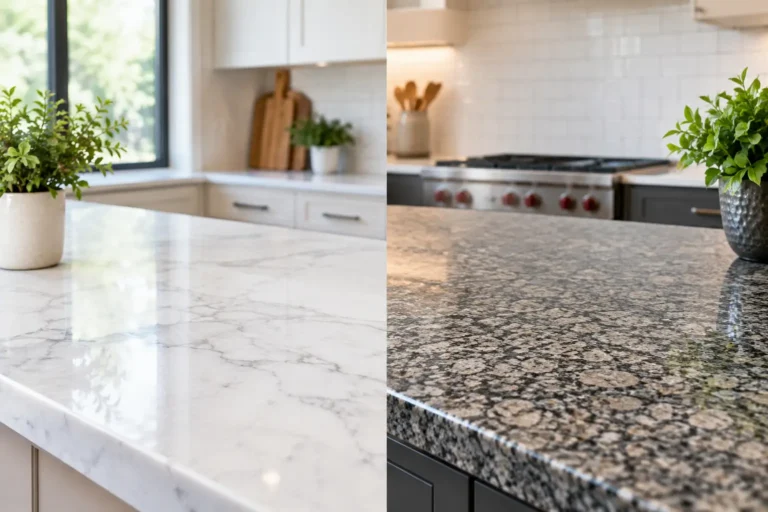
Natural stone brings distinctive character, but it calls for additional care. Stone may need regular sealing, and some materials are more sensitive to staining or etching than porcelain. For a high-use family shower, porcelain that resembles stone can often deliver a similar visual effect with more predictable maintenance.
Build the Waterproof Layer Before the Finish
The most attractive tile cannot correct problems in the wall assembly behind it. Before any finish is installed, the shower area should be assessed for framing condition, wall plumbness, plumbing locations, and floor or pan requirements. Correcting these details before waterproofing creates a better finished result and avoids forcing tile or panels to compensate for an uneven structure.
Use a Suitable Substrate and Membrane
Standard drywall is not an appropriate base inside a conventional tiled shower. Cement backer board, foam board systems, or other manufacturer-approved shower substrates are designed for wet environments when installed correctly. Seams, fasteners, and transitions must be treated according to the selected system.
A surface-applied waterproofing membrane is a common approach because it places the water barrier directly behind the tile. This helps prevent moisture from saturating the board beneath the finish. Whether the project uses sheet membrane, liquid membrane, or an integrated panel system, the products and installation method should be compatible with one another.
Pay Attention to Corners, Niches, and Plumbing
Most shower failures begin at a transition, not in the middle of a wall. Inside corners, outside corners, shower niches, benches, curb connections, and mixing-valve openings all need careful waterproofing. These are not cosmetic details. They are the areas most likely to move slightly, collect moisture, or be exposed to repeated water spray.
A recessed niche is a useful storage feature, but it must be properly sloped so water drains out rather than pooling on the bottom shelf. Similarly, the junction between wall and shower base must be fully integrated into the waterproofing plan. Caulk at the visible joint is a finishing measure, not a substitute for a correctly built assembly.
Plan for the Whole Bathroom, Not Just the Shower
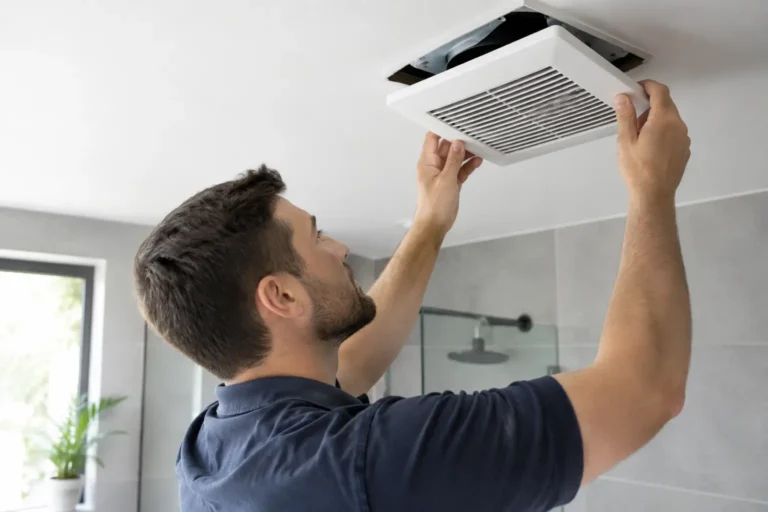
Shower walls should be coordinated with ventilation, plumbing, electrical work, and the surrounding floor. A strong exhaust fan helps manage humidity throughout the room, protecting paint, cabinetry, mirrors, and trim. If the bathroom layout is changing, moving supply lines or drains early in the process can prevent awkward fixture placement and expensive changes later.
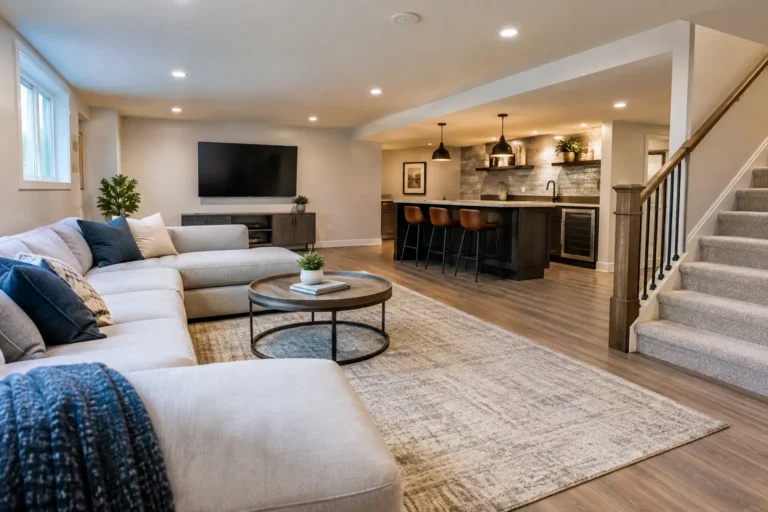
For homes in Ontario, renovations may also need to address applicable building code requirements and local permit considerations, particularly when plumbing is relocated or a new bathroom is being added. This is common in basement renovations, legal suite projects, and older homes where existing work may not meet current standards. A managed renovation plan helps ensure the waterproofing work fits within a compliant, coordinated project rather than becoming an isolated finish decision.
Avoid the Shortcuts That Lead to Water Damage
The most common shower problems are rarely caused by a dramatic event. They often come from small, overlooked details: inadequate waterproofing behind tile, poorly sealed fixtures, unsealed membrane seams, a niche without slope, or a shower base that was not properly connected to the walls.
It is also worth being realistic about maintenance. Even the best waterproofed shower needs periodic attention. Flexible sealant at changes of plane can eventually wear, grout can become stained, and a loose shower door seal can direct water where it does not belong. Promptly addressing cracked grout, failing caulk, or persistent moisture keeps minor repairs from becoming larger ones.
When reviewing a renovation proposal, ask what waterproofing system will be used, how the shower pan and walls will connect, and how corners and plumbing penetrations will be protected. You should also understand who is accountable for the complete installation. A single team that manages demolition, plumbing, waterproofing, tile, and finishing can reduce handoff errors and keep the schedule moving.
Finishing Touches Design & Renovations approaches bathroom work as a complete build, with clear project direction, skilled trade coordination, and attention to the details that protect your home long after the final walkthrough. That is particularly valuable when a bathroom renovation includes layout changes, aging-home repairs, or custom features that require multiple trades to work in sequence.
A shower should feel like the most dependable room in the house: easy to use, easy to maintain, and protected where it matters most. Investing in the right waterproof wall system gives you the freedom to choose the finish you love without asking it to do a job that belongs behind the wall.