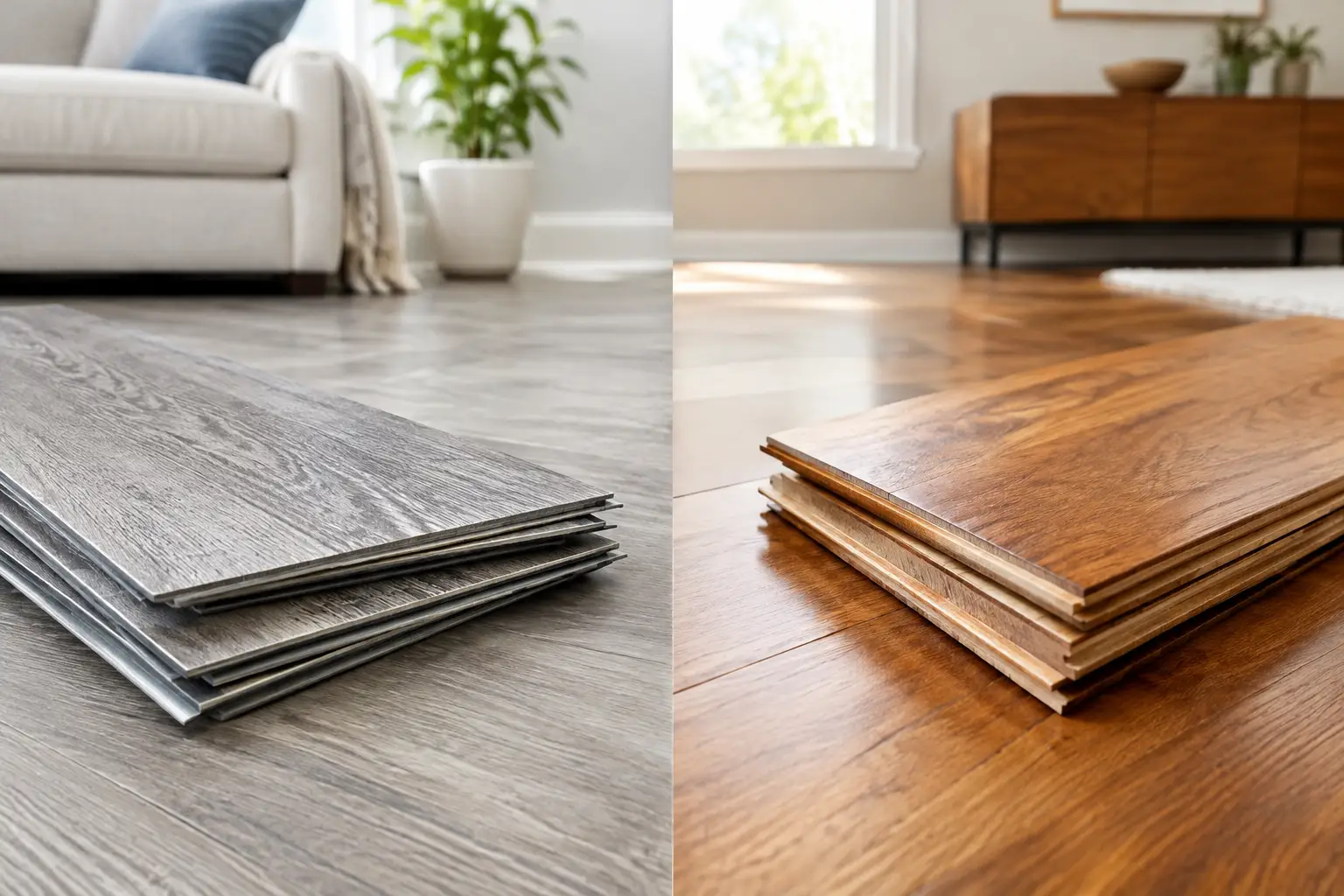
Vinyl Versus Hardwood Flooring for Your Home
A new floor can change how a room feels before a single wall is painted or cabinet is installed. For homeowners weighing vinyl versus hardwood flooring, the right choice is rarely about looks alone. It comes down to how the room is used, what sits beneath the existing floor, how much moisture the space sees, and what level of long-term value matters most to your household.
In a Toronto-area renovation, flooring also has to work with the realities of older homes, busy family life, condo rules, basement conditions, and changing temperatures. Both materials can create a polished finished space when selected and installed properly. The better fit depends on the project.
Vinyl Versus Hardwood Flooring: The Core Difference
Hardwood is a natural wood product, available in solid planks or engineered construction. Solid hardwood is milled from one piece of wood and can be refinished multiple times over its life. Engineered hardwood has a real hardwood surface over a layered core, offering greater dimensional stability in many interior settings.
Luxury vinyl flooring is a manufactured product, usually sold as luxury vinyl plank or luxury vinyl tile. High-quality products use printed design layers, textured surfaces, protective wear layers, and rigid or flexible cores to recreate the appearance of wood or stone. Modern vinyl can be remarkably convincing, especially from standing height, but it does not have the depth, grain variation, or aging character of real wood.
That distinction matters. Hardwood is chosen for authenticity, warmth, and long-term refinement. Vinyl is chosen for resilience, easier maintenance, and the freedom to use a wood-look floor in spaces where natural wood may be a risk.
Where Vinyl Makes the Most Sense
Vinyl is often the practical choice in rooms where water, spills, pets, and frequent cleanup are part of everyday life. Kitchens, mudrooms, laundry rooms, basement recreation areas, and rental suites are common examples. A quality vinyl floor resists surface moisture far better than hardwood, and its protective layer can handle the routine wear of children, pets, and active households.
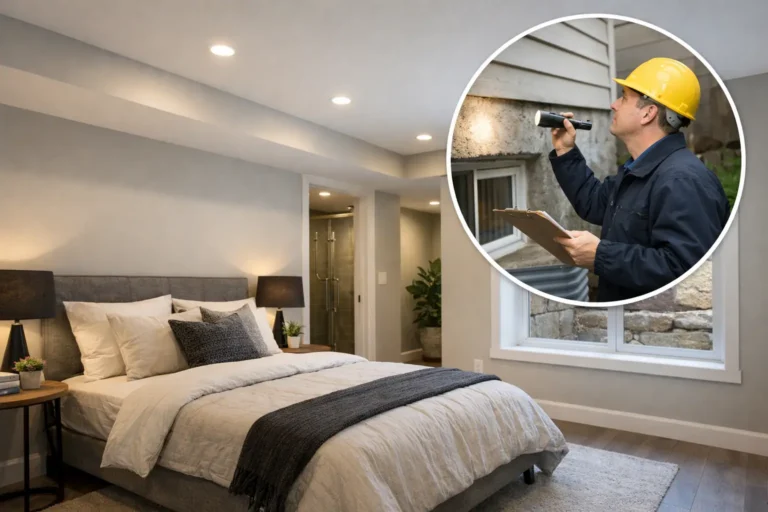
For basement renovations, vinyl has another advantage: it is generally more forgiving in environments where concrete slabs can transmit cool temperatures or moisture vapor. That does not mean vinyl solves a wet-basement problem. Active leaks, drainage concerns, high moisture readings, and an uneven slab must still be addressed before any new floor is installed. Flooring should never be used to hide a building issue.
Vinyl can also be more comfortable underfoot than tile and quieter than some hard surfaces, depending on the product and underlayment system. In a condo, however, sound transmission requirements may affect the material and installation method. Building rules should be reviewed before product selection, particularly when replacing carpet with a hard-surface floor.
The trade-off is permanence. Vinyl cannot be sanded and refinished. A deeply damaged plank may be replaceable, but repair options depend on the installation type, product availability, and whether matching material is still available years later. Very low-cost vinyl can also show dents, edge damage, or pattern repetition more quickly than a premium product.
When Hardwood Is Worth the Investment
Hardwood brings a natural character that manufactured flooring cannot fully duplicate. Each board has unique grain, knots, color movement, and texture. Over time, quality wood develops a lived-in patina that many homeowners consider part of its appeal rather than a flaw.
For main floors, living rooms, dining rooms, bedrooms, stair landings, and carefully designed open-concept spaces, hardwood can create a cohesive high-end finish. It works particularly well in century homes and older GTA properties where original architectural details deserve a material with similar depth and permanence.
Hardwood also offers a meaningful advantage over the long term: refinishing. Scratches, worn finish, fading, and changes in design preference do not necessarily require full replacement. A solid hardwood floor can often be sanded and refinished several times. Engineered hardwood may also be refinished, although that depends on the thickness of its hardwood wear layer.
That serviceable lifespan can make hardwood a strong investment for homeowners planning to stay in their home for many years. It can also support resale appeal, especially when it is installed consistently across principal living areas and kept in good condition. Buyers recognize real wood, and many see it as a premium finish.
Hardwood does require more discipline. Standing water, wet boots, pet accidents, and overly aggressive cleaning can damage the finish or the wood itself. Seasonal expansion and contraction are normal in the GTA climate, so professional acclimation, humidity management, expansion gaps, and correct installation are essential. Hardwood is not the right choice for every room simply because it looks beautiful.
Cost Is More Than the Price Per Square Foot
Vinyl usually has a lower upfront material cost than hardwood, but the full project budget depends on more than the finish layer. Existing-floor removal, disposal, subfloor leveling, moisture mitigation, trim work, transitions, stair details, furniture moving, and repairs can significantly affect the final quote.
Hardwood material and installation often cost more because the product itself is more expensive and the installation requires specialized preparation and craftsmanship. Site-finished hardwood may add time but allows for custom stain colors and a more continuous finished appearance. Prefinished hardwood can reduce finishing work on site, though its beveled edges create a different visual effect.
Vinyl may install more quickly in a straightforward room, particularly with floating plank systems. Yet it still needs a clean, flat, stable subfloor. A floating floor installed over an uneven surface can feel hollow, separate at joints, or fail prematurely. Glue-down vinyl requires equally careful substrate preparation.
The best value is not always the least expensive initial option. A floor that suits the room, is properly prepared, and is installed with the right details will perform better and avoid costly corrections later.
Installation Details That Protect Your Investment
The subfloor determines much of a floor’s performance. Before installation, an experienced renovation team should assess flatness, structural movement, moisture conditions, transitions to adjacent rooms, door clearances, existing baseboards, and the condition of the underlying structure.
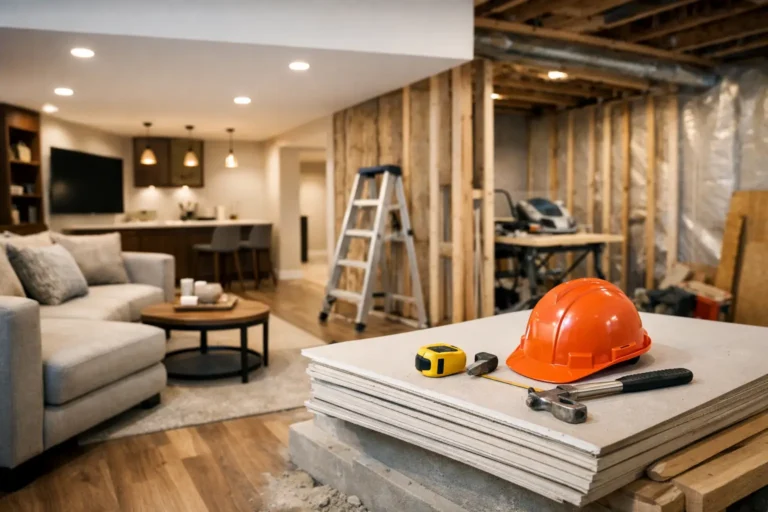
In older homes, floor leveling can reveal issues that are not visible until demolition begins. In basements, concrete moisture testing and vapor-management requirements deserve special attention. In homes with radiant heating, the selected flooring must be approved for that system and installed within manufacturer temperature limits.
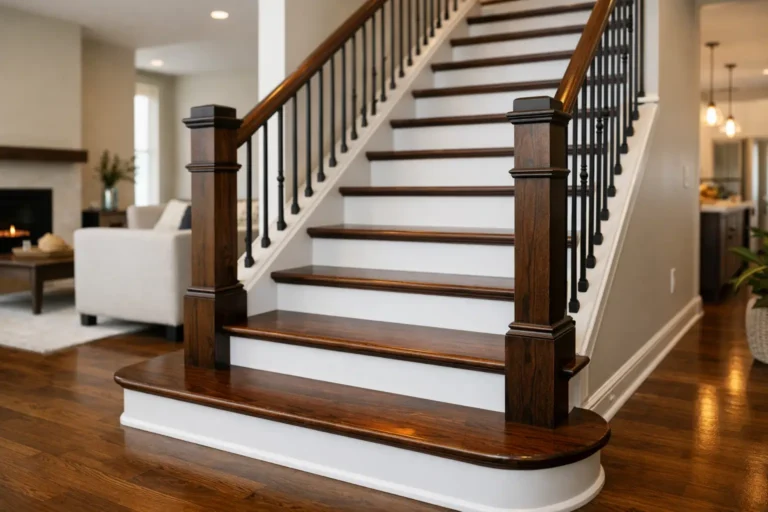
Transitions also matter more than they seem. A renovation looks finished when flooring changes are planned at doorways, stairs, kitchen cabinetry, fireplaces, and exterior entries instead of treated as an afterthought. This is especially important during a main-floor remodel, where flooring must coordinate with new cabinetry, wall changes, and appliances.
A single accountable renovation team can help sequence these decisions properly. At Finishing Touches Design & Renovations, flooring is considered alongside the condition of the home, the renovation scope, and the way the finished space needs to perform, not as an isolated product decision.
Maintenance and Daily Living
Vinyl is generally easier to live with day to day. Regular sweeping or vacuuming with a hard-floor setting and damp mopping with an approved cleaner are usually enough. Avoid harsh abrasives and excessive water, even on waterproof-rated products, because seams and perimeter edges still need protection.
Hardwood benefits from the same regular dust removal, along with felt pads under furniture, entry mats, and prompt cleanup of spills. A consistent indoor humidity range helps minimize seasonal movement. Refinishing may eventually restore a worn floor, but preventing unnecessary damage is always preferable.
For households with large dogs, young children, or frequent entertaining, vinyl can reduce stress. For homeowners who appreciate natural materials and are comfortable with a floor that gains character over time, hardwood can be deeply rewarding.
Choosing the Right Floor for Each Room
There is no rule that says one material must be used everywhere. Many successful renovations use hardwood across the main floor and upper-level bedrooms, then transition to vinyl in a basement, laundry room, mudroom, or bathroom-adjacent area. The key is selecting finishes that work together rather than forcing a single material into spaces where it is poorly suited.
If resale value, timeless character, and refinishing potential are your priorities, hardwood may justify the higher investment in dry living areas. If moisture resistance, durability, and practical upkeep lead the conversation, quality vinyl is often the stronger choice. Start with how you want each room to function five or ten years from now, then choose the floor that will support that life with confidence.