Renovation Contractor Quote Checklist for Homeowners
A renovation quote can look reassuringly detailed and still leave major decisions unanswered. Two proposals may show similar totals for a Toronto bathroom, basement, or main-floor remodel, yet one includes permit coordination, waterproofing, finish installation, and cleanup while the other treats several of those items as extras. The right renovation contractor quote checklist helps you compare the work behind the number, not simply choose the lowest price.
A dependable quote should make you feel informed before construction starts. It should show what is being built, who is responsible, what materials are included, how changes are handled, and what happens if the existing home reveals a surprise. That clarity protects your budget and gives the contractor a realistic foundation for delivering quality work on schedule.
Start With a Defined Scope of Work
The scope of work is the heart of every renovation quote. It should describe the rooms involved, the intended layout, demolition requirements, construction tasks, trade work, and finishing details. A short line that says “complete bathroom renovation” is not enough for a project that may involve plumbing relocation, electrical upgrades, tile, waterproofing, ventilation, cabinetry, painting, and trim.
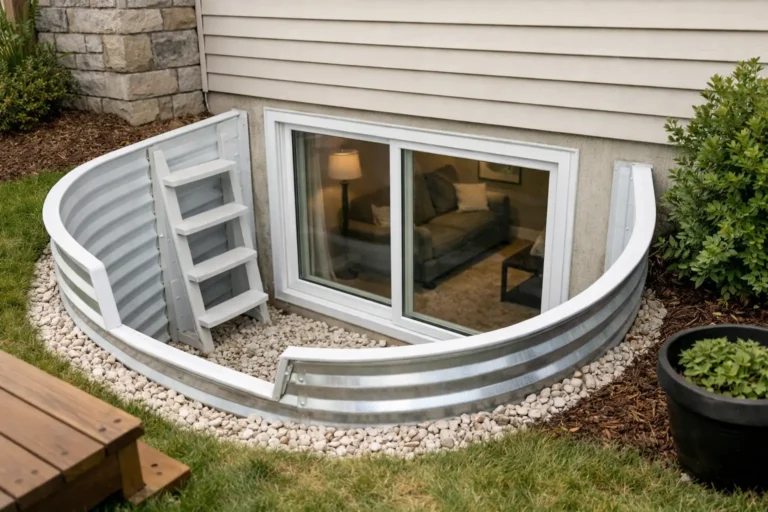
Look for specifics that match the conversations you have had in the home. If you are creating a basement suite, for example, the quote should address framing, insulation, drywall, flooring, bathroom rough-ins, egress or fire-separation requirements where applicable, and the defined purpose of the space. For a kitchen-preparation or main-floor renovation, it should identify wall changes, flooring transitions, electrical planning, and any plumbing reconfiguration.
Ask where the contractor has made assumptions. Existing homes, particularly older Toronto and GTA properties, can contain concealed issues such as outdated wiring, uneven framing, water damage, or previous work that does not meet current requirements. A professional quote will not pretend these risks do not exist. Instead, it will explain what is included, what could require a change order, and how you will be notified before added work proceeds.
Use This Renovation Contractor Quote Checklist
Before comparing totals, confirm that each quote answers the same practical questions:
- Demolition and protection: Does it include dust containment, floor protection, debris removal, bin costs, and final site cleanup?
- Trades and rough-ins: Are plumbing, electrical, HVAC, framing, insulation, drywall, and required inspections included or clearly excluded?
- Materials and installation: Does the quote separate supplied materials from labor, and does it identify who installs owner-purchased products?
- Finishing details: Are tile setting materials, grout, trim, caulking, paint preparation, hardware installation, and touch-ups accounted for?
- Project management: Is there one accountable point of contact coordinating trades, schedule updates, deliveries, and quality control?
- Closeout and warranty: Does the contractor provide a final walkthrough, deficiency process, and written workmanship warranty?
You do not need every product selected before requesting a quote. You do need enough direction to ensure contractors are pricing comparable work. If one contractor has included porcelain tile installation with waterproofing and another has allowed only for basic tile labor, their totals are not truly comparable.
Examine Allowances Before You Trust the Total
Allowances are estimated amounts reserved for selections that have not been finalized. They are common for tile, fixtures, vanities, flooring, lighting, cabinetry, and specialty hardware. Used properly, they keep the project moving while design decisions are still being made. Used vaguely, they can make a quote appear lower than the likely final cost.
Review every allowance for both its dollar amount and what it covers. A $1,000 tile allowance might refer only to the tile itself, not delivery, setting materials, a shower waterproofing system, substrate preparation, or installation. Similarly, a fixture allowance may exclude valves, trim kits, drains, and required plumbing modifications.
The appropriate allowance depends on your project and expectations. A condo powder room may need relatively few selections, while a custom primary bathroom with a curbless shower, large-format tile, and premium fixtures has more variables. Ask to see the assumed product level or a sample range of suitable options. If your preferences are above that range, adjust the allowance before signing rather than discovering the gap during construction.
Confirm Permits, Code, and Building Requirements
A quote should identify who is responsible for permits and inspections when they are required. Structural changes, new plumbing, electrical work, basement conversions, and other significant alterations can trigger permit or inspection requirements. Condo renovations may also require board approval, insurance documentation, elevator bookings, restricted work hours, and protection deposits.
The exact requirements depend on the municipality, the building, and the scope. That is why a contractor’s local experience matters. The quote should explain whether permit fees are included, whether they are an allowance, and whether the contractor will prepare drawings or coordinate the permit process. It should also address the cost and responsibility for any required engineering.
Be cautious with a proposal that dismisses permits without discussing the work. Skipping required approvals can create safety concerns, insurance problems, delays when selling, and expensive corrective work. A compliant renovation is not just paperwork. It is part of protecting your home, your investment, and the people who use the space.
Compare Schedules, Payment Terms, and Change Orders
A realistic schedule is more useful than a promise to finish quickly. Ask when the contractor can start, how long the work is expected to take, and what factors could affect that timeline. Material lead times, permit approval, custom fabrication, condominium access, and hidden conditions can all influence the schedule.
The quote or contract should also set out payment milestones. Payments should relate to meaningful project progress, such as mobilization, completion of demolition and rough-ins, major installation stages, and final completion. Avoid arrangements that require most of the project cost upfront or leave the payment structure unclear.
Change orders deserve equal attention. Renovations evolve, especially when homeowners refine selections or an opened wall reveals an issue. A well-managed change order states the added or reduced scope, price impact, schedule impact, and approval process before the work is performed. This protects both parties from misunderstandings and keeps budget decisions visible.
Look Beyond the Lowest Number
The lowest quote is sometimes the right fit, but only when the scope, materials, staffing, insurance, communication, and workmanship standards are genuinely equivalent. More often, a low figure reflects omissions, unrealistic allowances, unpriced risks, or a plan that relies on you to coordinate pieces of the job.
Ask who will be in your home each day and who supervises the work. Confirm that the contractor carries appropriate insurance and uses qualified trades. Request clarity on communication: Will you receive regular updates? Who answers questions when a detail changes? How are concerns documented and resolved?
For a major interior renovation, the value of an integrated team is often felt in the details that do not appear as a single line item: protecting adjacent rooms, sequencing trades properly, catching layout conflicts before installation, and finishing the project with care. Those practices reduce disruption and help avoid the costly rework that can erase an apparent upfront saving.
Make the Quote a Working Plan
Once you have chosen a contractor, treat the quote as the starting point for a clear construction agreement, not a document to file away. Make sure the final version reflects the agreed scope, allowances, exclusions, schedule expectations, payment milestones, permit responsibilities, and warranty terms. Keep approved changes in writing throughout the project.
At Finishing Touches Design & Renovations, a well-prepared quote is part of the service, not a sales formality. Homeowners deserve a clear roadmap, a single accountable team, and the confidence that their renovation is being managed with craftsmanship and care. The best next step is simple: ask the questions now, while every decision is still easier and less expensive to make.