Contractor Versus Designer: Who Leads Renovations?
A renovation can look straightforward on a mood board and become complicated the moment a wall needs to move, plumbing needs to be rerouted, or existing conditions are revealed behind the drywall. That is why the contractor versus designer decision deserves more thought than simply choosing the person whose portfolio best matches your taste. For a kitchen, bathroom, basement, or main-floor renovation in the GTA, the right team must turn your vision into a buildable, code-compliant project with a realistic budget and a clear plan.
A designer and a contractor bring different strengths to the table. The question is not which role is more valuable. It is whether your project needs separate specialists or one accountable design-build partner to coordinate the entire process.
Contractor Versus Designer: The Core Difference
An interior designer focuses on how your home will look, feel, and function. They may develop layouts, select finishes, recommend fixtures, establish a color direction, and help create a cohesive result. A strong designer can be especially helpful when you are unsure how to make an older home feel current without losing its character, or when you want a polished, highly personalized finish.
A renovation contractor is responsible for making the work happen. This includes estimating, scheduling trades, ordering or coordinating materials, managing demolition and construction, addressing site conditions, arranging inspections where required, and delivering the finished space. The contractor’s work is tied directly to feasibility, workmanship, safety, local requirements, and day-to-day accountability on site.
Those responsibilities can overlap, particularly with an experienced design-build renovation contractor. The practical difference is that a standalone designer usually develops the vision while the contractor prices and builds it. A design-build company manages both the direction and execution as one connected process.
What a Designer Brings to a Home Renovation
Design is more than choosing tile. A capable designer considers traffic flow, storage, sightlines, lighting layers, finish relationships, and how a room supports everyday routines. In a compact Toronto condo, that may mean finding space for full-height storage without making the room feel crowded. In a century home, it may mean respecting original trim while updating an awkward layout for a growing family.
Designers are often most valuable early in a project, before key decisions become expensive to change. They can help homeowners answer questions such as: Should the kitchen be opened to the dining room? Which bathroom layout offers better function? Is a freestanding tub practical for this household? How can a basement include a family room, office, and legal-suite requirements without sacrificing comfort?
The limitation is that a beautiful concept is not automatically a construction-ready scope. Existing framing, mechanical systems, structural needs, product lead times, and municipal requirements can all affect what is possible. If the designer is separate from the builder, the plans may need revisions after contractor pricing or after work begins. That does not mean the arrangement cannot work. It means communication and documentation must be exceptionally clear.
What a Contractor Brings Beyond Construction
A professional renovation contractor turns decisions into a coordinated job site. This begins with understanding the home itself, not just the desired finish. For example, relocating a kitchen island may affect electrical circuits, ventilation, flooring transitions, and the route of plumbing lines. Converting a basement into a legal living space may involve ceiling height, insulation, fire separation, egress, electrical capacity, and local permit requirements.
A contractor also manages the sequence of work. Demolition, framing, plumbing, electrical, inspections, drywall, tile, cabinetry, flooring, painting, and finishing must happen in the proper order. When multiple trades are involved, timing matters as much as craftsmanship. A delayed fixture, an unclear tile layout, or a late change to a wall can affect both schedule and cost.
The best contractors do not simply take instructions and send trades. They flag risks before they grow, explain options in plain language, protect the agreed scope, and keep the homeowner informed. That operational discipline is often what makes the renovation experience feel manageable rather than stressful.
When a Separate Designer and Contractor Make Sense
Hiring a separate designer and contractor can be the right choice for homeowners who want a highly specialized design perspective or have a complex aesthetic brief. It may suit a homeowner who already knows a trusted designer, has time to coordinate decisions between professionals, and is comfortable with a more hands-on role during planning and construction.
This arrangement works best when the designer creates detailed, buildable documents and the contractor is involved early enough to review feasibility and pricing. Waiting until every selection and drawing is complete before seeking construction input can create a difficult surprise: the project may exceed the intended budget or require material changes to meet the schedule.
If you choose separate partners, establish who is responsible for each decision. Confirm who handles permit drawings, site measurements, product ordering, trade coordination, changes during construction, and final deficiencies. Without a clear handoff, homeowners can become the default project manager between the design studio and the job site.
Why Design-Build Reduces Gaps
For substantial interior renovations, many homeowners prefer a single accountable point of contact. A design-build team combines design direction, construction planning, trade management, and finishing under one roof. Rather than treating the design and build phases as separate projects, the team tests ideas against budget, site conditions, schedules, and code requirements from the start.
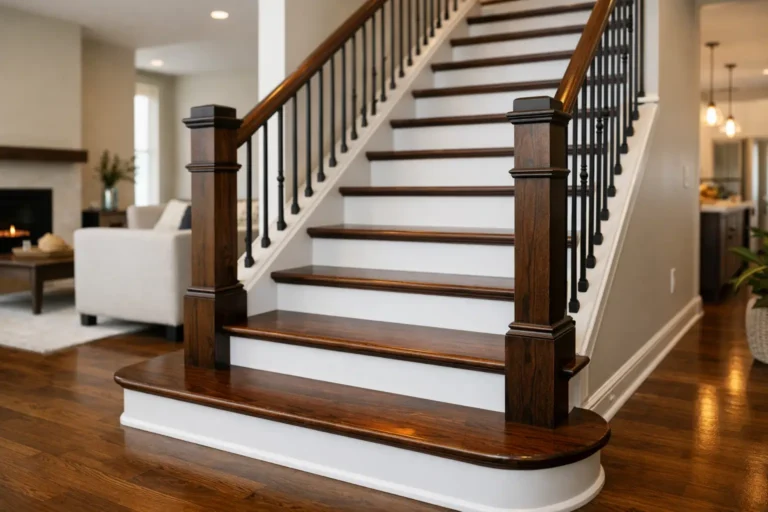
This model is particularly useful when the renovation involves several connected changes. A main-floor remodel may include wall reconfiguration, a kitchen-preparation scope, flooring, staircase refinishing, painting, electrical updates, and custom finishing. A bathroom renovation may involve plumbing relocation, waterproofing, tile installation, ventilation, lighting, and cabinetry. Each decision affects another, so coordination is not optional.
With one team, there is less opportunity for important information to get lost between a designer’s intent and a contractor’s interpretation. Homeowners receive clearer roadmaps, more reliable pricing conversations, and a direct route for resolving questions as the work progresses. The goal is not to remove creativity. It is to make sure creativity can be built properly.
Questions to Ask Before You Hire
Whether you hire a designer, contractor, or integrated design-build team, ask how the project moves from initial ideas to a finished room. You should understand what is included in the scope, how allowances and selections are handled, who supervises the work, how change orders are approved, and how often you will receive updates.
Ask about licensing, insurance, permits, and experience with your type of home. Toronto-area homes can present challenges that are easy to underestimate, from uneven floors and concealed plumbing in older properties to condo rules and basement compliance requirements. A qualified team should explain these factors without making promises before the site has been properly assessed.
It is also reasonable to ask how workmanship is supported after completion. A renovation is a major investment, and a clear warranty signals that the company stands behind the work. Finishing Touches Design & Renovations provides a two-year craftsmanship warranty because confidence in the finished result should extend beyond the final walkthrough.
Choose the Structure That Fits the Project
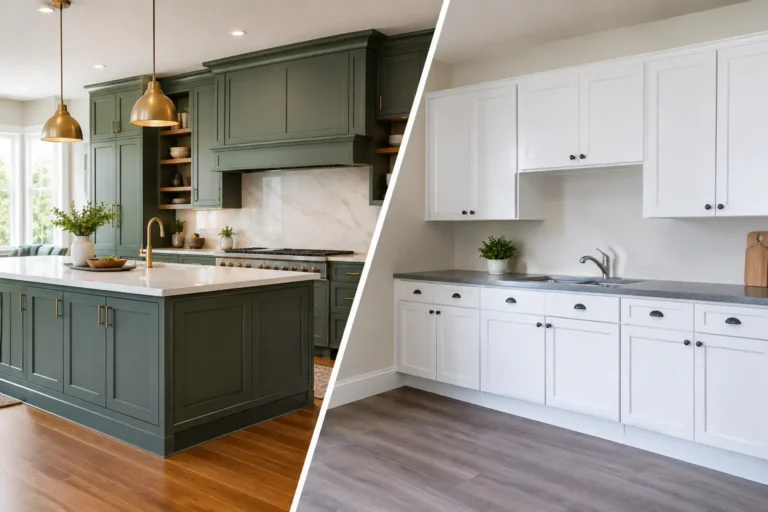
The contractor versus designer choice is ultimately about the level of coordination your renovation requires. A focused cosmetic update may benefit from a designer-led approach and a straightforward installation contractor. A renovation involving layouts, plumbing, electrical, structural questions, permits, and multiple finish trades usually benefits from one team that can own the full process.
Start with the outcome you need from your home, then choose professionals who can show exactly how they will get you there. The right partner will make room for your ideas while protecting the details that keep the work on time, on budget, and built to last.